
Call for Papers – The 9/11 “event”
Interdisciplinary colloquium
Sept. 30-Oct.1 2021
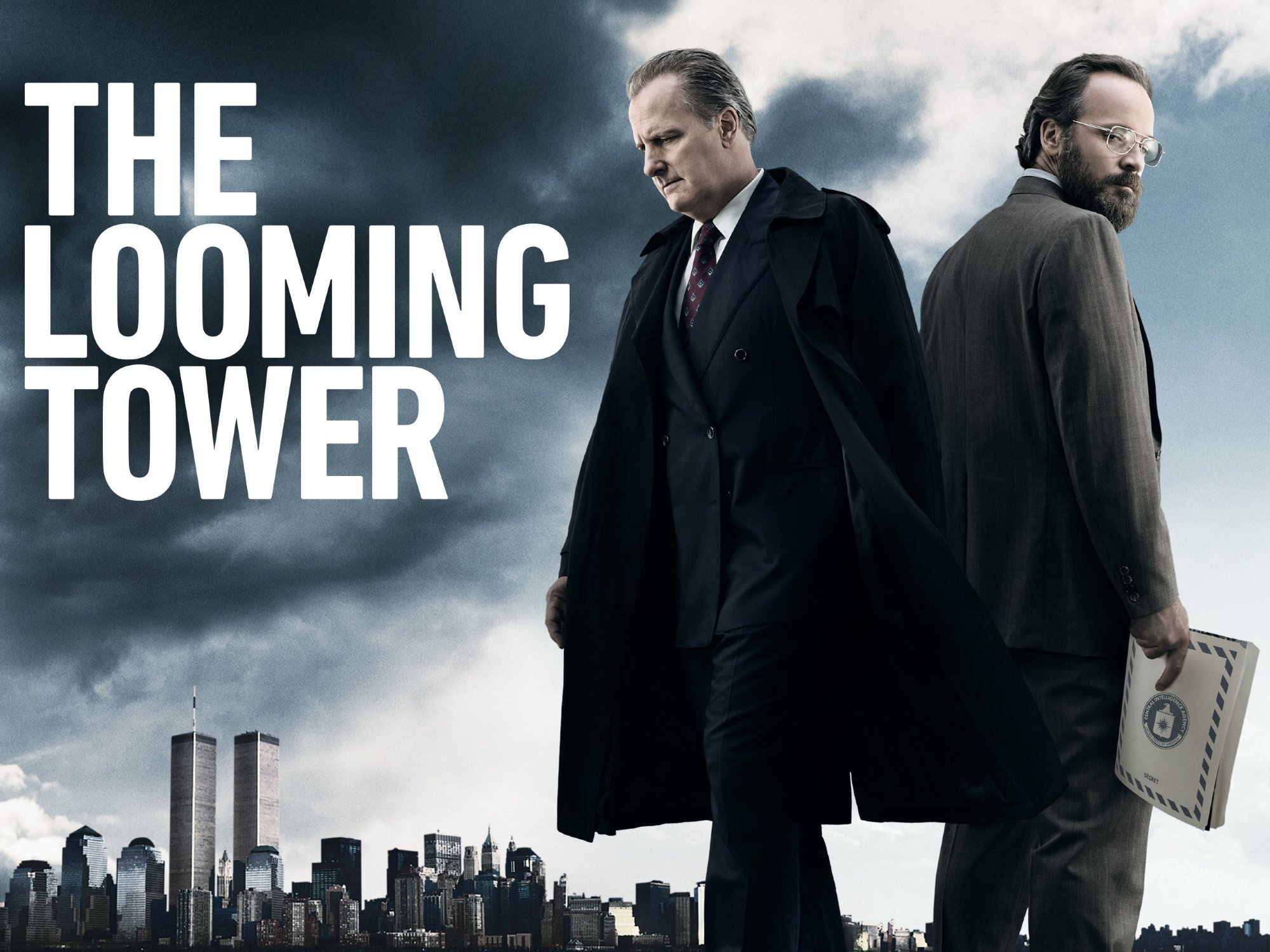
To mark the 20th anniversary of the 9/11 attacks, the DEMOSERIES project (hosted by the University Paris 1 Panthéon-Sorbonne and funded by the European Research Council), IRSEM (Institute for Strategic Research at the French Ministry for the Armed Forces), and CNRS (National Centre for Scientific Research), invite submissions to an interdisciplinary colloquium on the 9/11 “event”, to be held on September 30 and October 1, 2021.
What remains of 9/11 today? Jihadist terrorism, the pandemic, far right movements: almost twenty years after the terrorist attacks, the multiple crises that democratic regimes face today continue to be analyzed in light of the events that took place on 9/11. The terrorist attacks of November 13, 2015 in Paris and Saint-Denis are still described as “September 11 à la française” in view of the shock and multiple upheavals they caused. In the United States, the number of daily deaths in the COVID-19 crisis has many times been compared to the number of victims of 9/11, in order to raise awareness of its seriousness. The assault on Capitol Hill launched by supporters of Donald Trump on January 6, 2021 paradoxically rekindled the memory of 9/11, recalling the threat that the various extreme right-wing and/or conspiracy movements pose to democracy.
This preeminence of the 9/11 attacks in collective memory indicates the inescapable character of this “event”: first, as the emergence of the unexpected, even though the previous attack on the World Trade Center in 1993, and the progressive rise of the jihadist threat embodied by Al-Qaeda, could have made the 9/11 attacks at least conceivable, if not predictable; second, as a manifestation of the power of the media apparatus, in which live coverage, which is part of the event itself, gives rise to an additional demand for meaning; finally, as a collective trauma, recalled by the state of astonishment and of great uncertainty following the attacks, which were immediately perceived through the lens of a disaster movie.
Often considered the founding and paradigmatic event of the 21st century, the 9/11 attacks were thought to have ushered in a new era, characterized by the permanence of the state of exception and the preeminence of reason of state politics both on the international stage and in the collective imagination. Throughout a large number of Western countries, the urgent adoption of very restrictive if not freedom-destroying anti-terrorist legislation signaled the profound legal and political upheavals brought about by these attacks. The transcription into common law of some of these measures, and the lasting installation, which resurfaces with each attack, of a necessary arbitration between freedom and security in public debate demonstrates the everlasting impact of the 9/11 attacks on political communities. In parallel, the significant increase of resources allocated to intelligence agencies to combat terrorism confirms the dominance of secret intelligence in the security and defense apparatus, and with it the imperative to reduce uncertainty in the in post-2001 security environment.
The attacks also mark the beginning of a new cultural era, whereby the memory of 9/11 represents an essential component of the 21st century media and popular culture. If films and series, because of the impossibility of depicting the attacks other than by referring to it, often leave the attacks off-camera, the (real or supposed) effects of 9/11 on democratic regimes continue to saturate the fictional space. The risk of democratic deterioration under the combined effects of counterterrorism and security drift constitutes one of the dominant features of contemporary fiction, where films and television series emphasize internal and external enemies, multifaceted threats, along with the various (state or non-state) actors responsible for fighting them. Beyond this thematic convergence within post-2001 fiction, one of the lasting effects of 9/11 on contemporary creation is a rapprochement between security professionals and writers, screenwriters etc. from writing advice to strategic anticipation.
What remains of 9/11 almost twenty years after the “event”? What memory(s), what trace(s) do we individually and collectively keep of it? How is it depicted in contemporary media, film and serial culture? How can we describe post-9/11 aesthetics and imagery? Is the period inaugurated by the attacks over or are we still living in the shadow of 9/11? Has the “post-9/11” period already come to an end?
DEMOSERIES, IRSEM and CNRS invite researchers from various fields (philosophy, political science, history, international relations, law, sociology, psychology, arts, film studies, communication, media, cultural and civilizational studies) to submit proposals on the following (non-exhaustive) themes:
- the notion of “event” in relation to 9/11: from a philosophical, political and historical point of view (concept, definition, meaning); how historical, political and philosophical thought has captured 9/11; before and after September 11, 2011
- the narration and visualization of 9/11: memory, journalistic and/or popular coverage of the event (live, review...); spectacularizing and “scripting” of the attacks; resistance to the official narrative, conspiracism and conspiracy theories...
- post-9/11 culture and aesthetics: representation – or absence of - in the arts, films and television series; figures of enmity, threat and “terror”; patrimonialization and memorialization; impact of fiction on reality…
- the strategic impact of 9/11: notions of intelligence "failure", threat, anticipation and imagination; interdepartmental and inter-agency cooperation, particularly in the field of counterterrorism; evolution of strategic anticipation…
We expect 20 min presentations. Proposals of 200 words maximum, in either English or French, are welcome, as are two- or three-voice papers crossing fields and themes. Please accompany these by a short biographical notice to be sent to the DEMOSERIES project team () no later than March 30, 2021.
Proposals will be selected by the following scientific committee:
-
Richard J. Aldrich, Professor of International Security, University of Warwick.
-
Fabrice Boudjaaba, Research Director at CNRS, DAS INSHS.
-
Paul Charon, Director of the "Intelligence, Strategic foresight, and Hybrid threats" Domain at IRSEM.
-
Pascale Goetschel, Professor of History, University Paris 1 Panthéon-Sorbonne
-
Frédéric Gros, Professor of Philosophy and Political Theory, Sciences Po Paris.
-
Jean-Vincent Holeindre, Professor of Political Science, University of Paris 2, Scientific Director of IRSEM.
-
Sandra Laugier, Professor of Philosophy, University Paris 1 Panthéon-Sorbonne, PI DEMOSERIES.
-
Hélène L’Heuillet, Associate Professor of Philosophy, Sorbonne University.
-
Christine Noiville, CNRS, University Paris 1 Panthéon Sorbonne, director of ISJPS.
-
Organization committee: The DEMOSERIES and IRSEM teams
